THE CURTAIN JOURNAL / PRACTICAL INSPIRATION
How to choose curtain colours for your bedroom
Build a bedroom curtain palette from wall undertones, bedding and lighting, with practical sample checks and separate decisions about privacy and light control.
Published
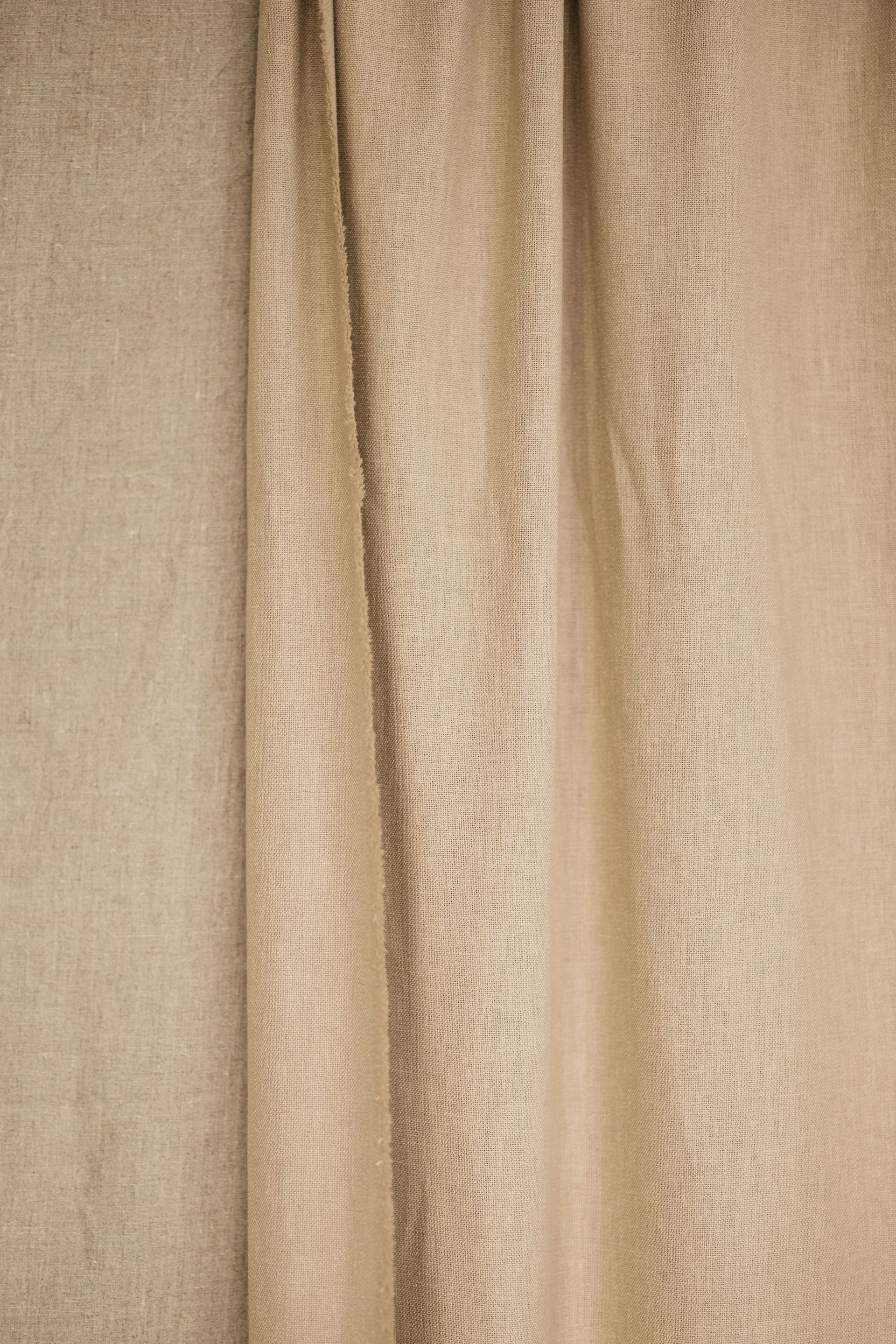
Choosing a bedroom curtain colour is easier when you compare it with the room you already have. Wall paint, flooring, bedding and the size of the visible curtain area all influence the result. Begin with a small set of directions, then test them in the actual light rather than choosing from a shade name alone.
Start with the largest surfaces
Look first at the walls and floor, then at the bed and other large furniture. Identify whether their colours lean warm, cool or relatively neutral. A curtain does not need to match every object, but it should have a clear relationship to the elements that dominate the room.
If your bedding changes frequently, consider how the curtain will relate to several combinations. A quieter colour can leave room for other accents; a deeper shade can deliberately frame the window. Neither choice is universally better for a bedroom.
See the sample vertically at different times
A fabric on a horizontal table receives light differently from a hanging curtain. Hold a generous sample vertically near the window and compare it again under the lamps used in the evening. Check it beside the wall rather than against an unrelated white screen.
Fold the sample loosely to see highlights and shadows. A textured weave or directional pile may appear lighter or darker across its folds. Screens, photographs and digital recolouring are helpful starting points, but they cannot guarantee the final physical shade.
Decide how prominent the window should feel
A similar tone to the wall can create a quieter transition, while contrast can make the window a focal point. Consider the curtain's full closed area as well as the smaller stack visible during the day. A colour that works in a tiny swatch may feel more prominent across the whole window.
If the room already has a strong wallpaper or patterned bedding, compare a simpler fabric surface before adding another large motif. If you prefer pattern, view enough of its repeat to judge scale and ask how pattern matching affects the estimate.
Keep colour separate from sleep and privacy requirements
A dark colour does not by itself establish blackout performance. A pale colour does not tell you exactly how much privacy a particular fabric provides. Ask about the documented construction, lining and finished coverage when you need stronger light control.
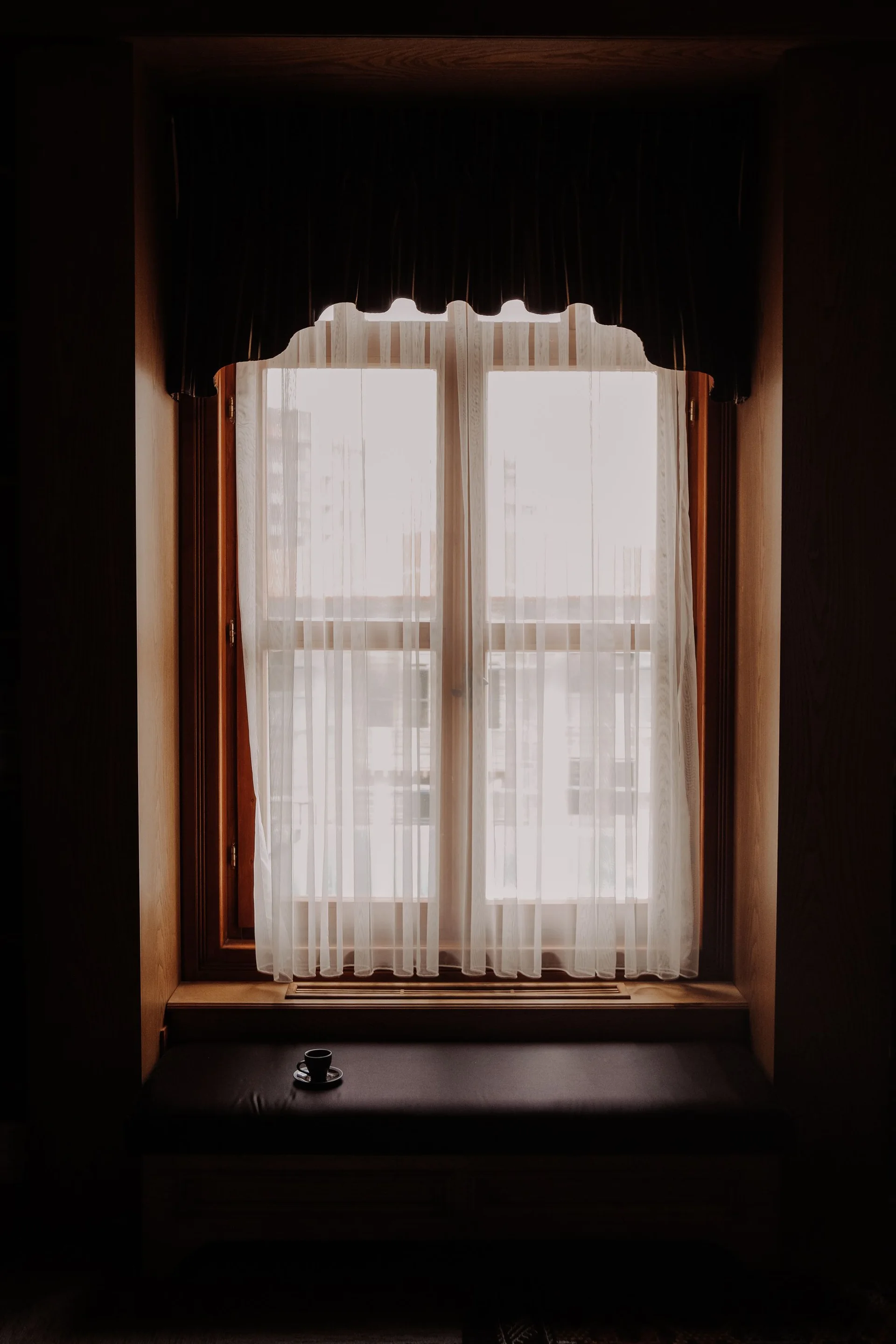
For a two-layer arrangement, compare the sheer with the main fabric in the room. Assess evening sightlines as well as daylight. Confirm track clearances and each layer's hanging point before estimating lengths.
Prepare a useful enquiry
Keep two or three options and note the wall colour, window dimensions, existing hardware and your main concerns. Include the actual reference or shade code where available. A clearly described shortlist is more useful than a long list of unrelated colours.
Explore a supported palette in the Studio and save it on this device, then verify it with physical samples. Ask Dcorhome to confirm composition, available shades and care information for the real fabric. The current demonstration references do not promise purchase availability, installation or a specific finished result.