THE CURTAIN JOURNAL / PRACTICAL INSPIRATION
Linen vs velvet curtains: choosing a texture for your room
Compare the visual character of linen and velvet, plan a physical sample check and ask the right questions about composition, lining and care.
Published
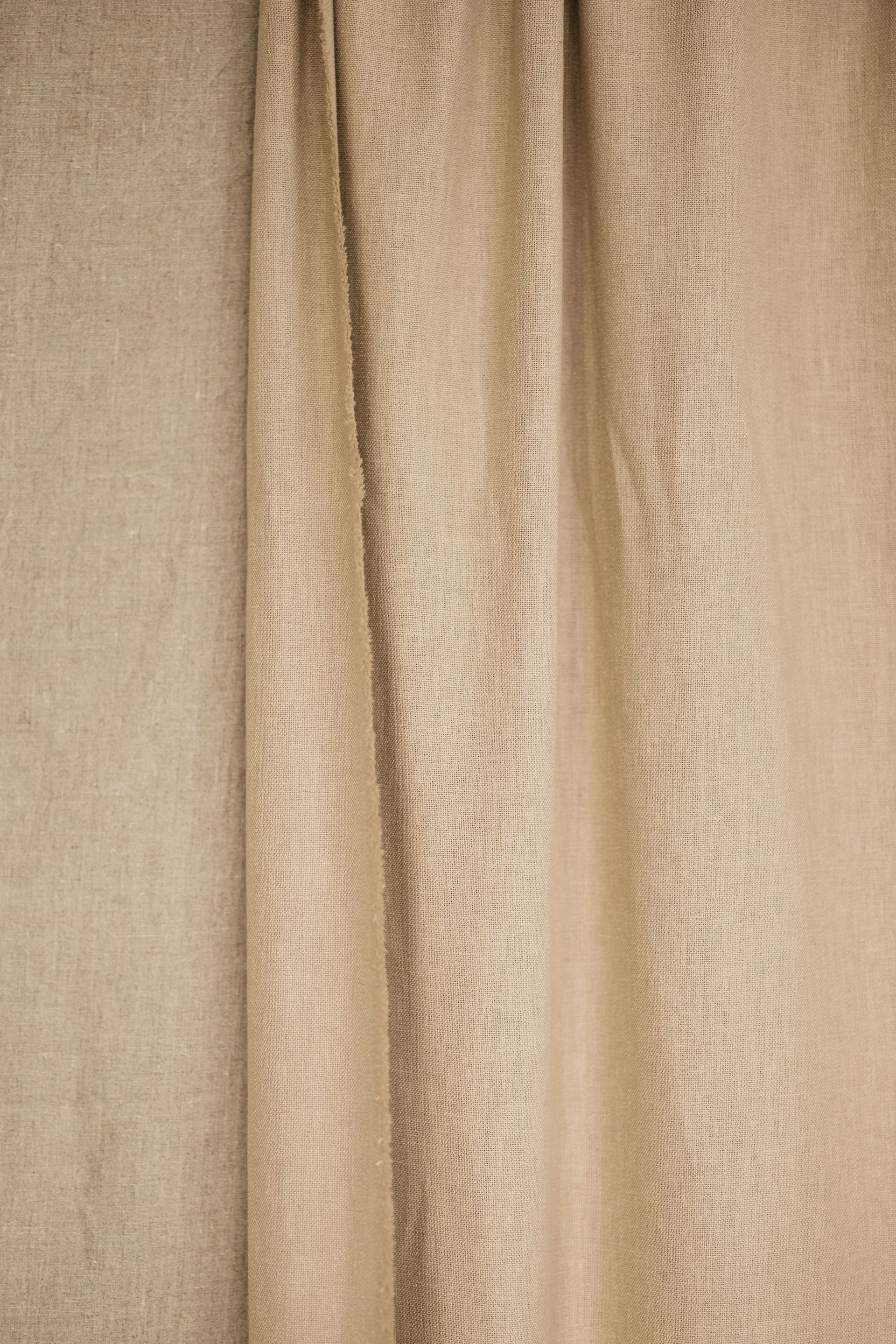
Start with the room rather than a promise attached to a fabric name. Linen and velvet suggest different visual directions, but neither name tells you everything about a particular curtain. The exact composition, construction, lining and hanging system matter. A photograph can help you choose a direction; a documented physical sample is the basis for the final decision.
Compare the surface in the light you actually use
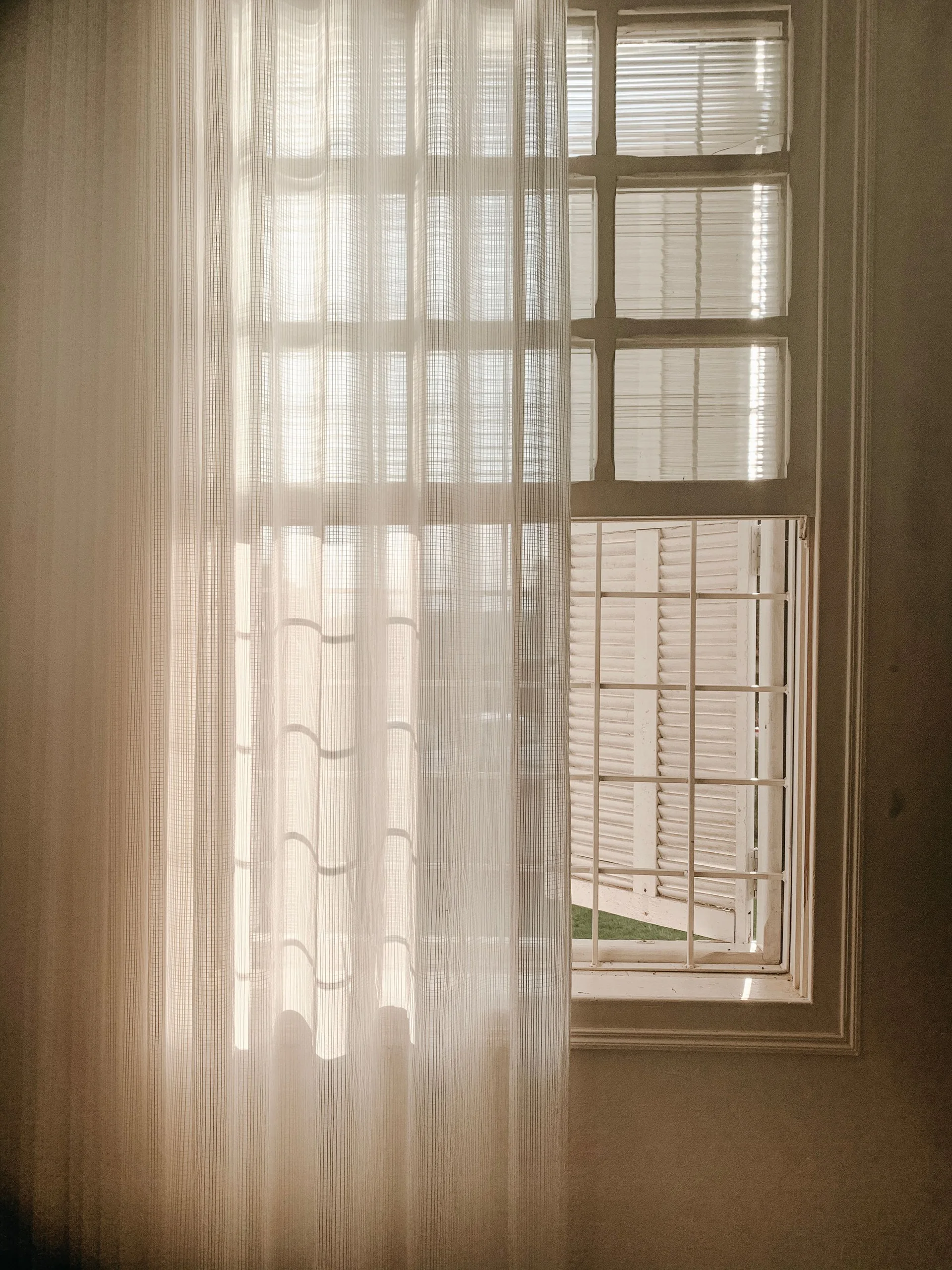
A linen or linen-look weave often has visible yarn variation and a more relaxed surface. Velvet has a pile that can appear different as you move around it. Neither effect is captured completely by a small screen image. Compare samples vertically near the intended window, then look again under your evening lighting.
Keep the room's other finishes in view. A softly textured neutral might relate to timber and pale paint, while a more directional pile might create a deliberate contrast. This is a styling choice, not a rule that assigns one material to every kind of room.
Read composition before choosing by material name
A fabric described as linen-look may contain no linen. A velvet construction can use different fibres or blends. Ask for the exact composition, usable width and confirmed care label. Where those details are not available, treat the image as an illustrative reference rather than a verified technical specification.
Inspect a larger sample or hanging length where possible. Texture, seams and folds can change the balance of colour compared with a flat swatch, especially when the window is strongly backlit.
Separate appearance from privacy and light control
Do not assume a thick-looking velvet is tested blackout fabric, or that every linen weave will provide the same daylight filtering. Evaluate the actual cloth with any proposed lining. Gaps at the sides and top, the track arrangement and room lighting also affect the result.
If daytime softness and evening coverage are both important, compare a sheer and main layer together. The main fabric can be chosen for its appearance while the complete treatment is assessed against your coverage needs. Confirm the performance of the whole arrangement rather than relying on a generic material label.
Plan the heading, hardware and maintenance
Ask whether the chosen cloth works with your intended heading and existing track or rod. Fullness, stacking room and the fabric's physical behaviour affect the finished arrangement. Use the real fabric width and any pattern repeat when estimating quantities.
Follow the supplier's specific cleaning instructions. Do not assume all linen blends are washable or that all velvets use the same cleaning method. If sunlight exposure or another room condition is a concern, ask about that exact fabric instead of applying an unsupported durability claim.
Make a short comparison before enquiring
Record two or three preferred samples, the room's wall and floor colours, the hanging system and your priorities for light and privacy. Try the available Studio references to explore a palette, then return to physical samples for the final shade decision.
Send your selected fabric references and preliminary measurements with the enquiry. Dcorhome's online references are not a checkout or a promise of stock. Ask the team to confirm the material, sample availability and technical details before committing to a curtain plan.